
From Paper Menu to a System That Sells: The MIDA Story
Published on · 9 min read
It started with a menu
We are a small team based in Marrakech. Like everyone here, we eat out, we drink coffee on terraces and we take visitors to our favourite places. And like everyone, we noticed the same thing over and over: the food is wonderful, the welcome is warm, and then a laminated menu arrives with a coffee ring on it, a price crossed out with a pen and a corner that has been chewed by years of use.
That menu is the first thing a customer reads and the last thing the owner has time to think about. Changing a price means reprinting. Adding a new dish means a trip to the print shop. A tourist who does not read French or Arabic orders what he can point at. And when someone searches for the place on their phone before coming, there is often no menu to see at all.
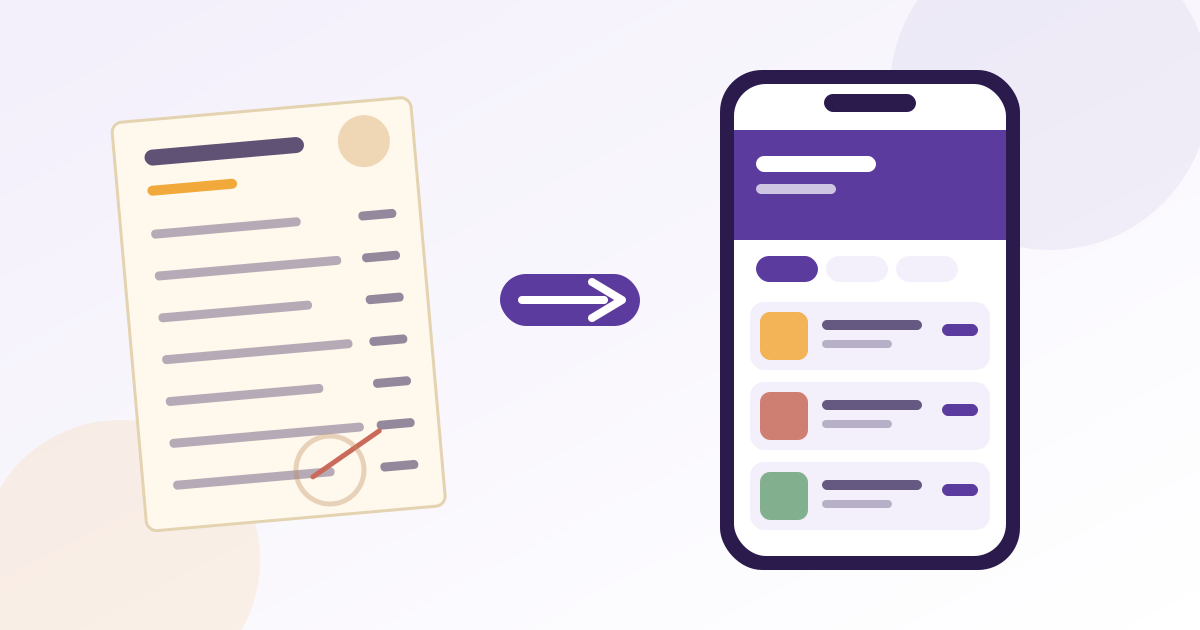
So we built MIDA: a way for any restaurant, café, snack or bakery in Morocco to have a beautiful digital menu, reachable by a QR code on the table, that the owner can change in seconds from a phone. This article explains what that already does for a business, why it is only the beginning, and where we want to take it next.
What a digital menu changes on day one
Let us be concrete. Here is what happens in a place that replaces its paper menu with a menu behind a QR code.
- Prices and dishes are always right. The owner edits a price on his phone, saves, and the next customer who scans sees it. No reprinting, no crossed-out numbers.
- Sold-out items disappear. Mark a dish as unavailable at noon and nobody orders it at one o'clock and gets disappointed.
- The menu looks as good as the food. Photos, categories, a logo and the place's own colours make a menu people actually enjoy reading.
- Today's special and new products are visible. A highlighted "dish of the day" or a "new" tag sells better than a handwritten sign nobody notices.
- Promotions run themselves. A promotion with an end date shows up on time and disappears on time.
- Existing PDF menus still work. A place that already has a designed menu can upload its PDF and show it as a page-turning booklet on the phone.
None of this needs a developer, an app to download or special hardware. The customer scans with the camera they already have, and the owner edits from the same phone he uses for WhatsApp.
The QR code on the table is a door, not a gimmick
A QR code looks like a small square of dots, but on a table it plays an important role: it is the shortest path between a customer sitting down and your business. One scan, no app, no typing an address, no waiting for a waiter to find the last clean menu.
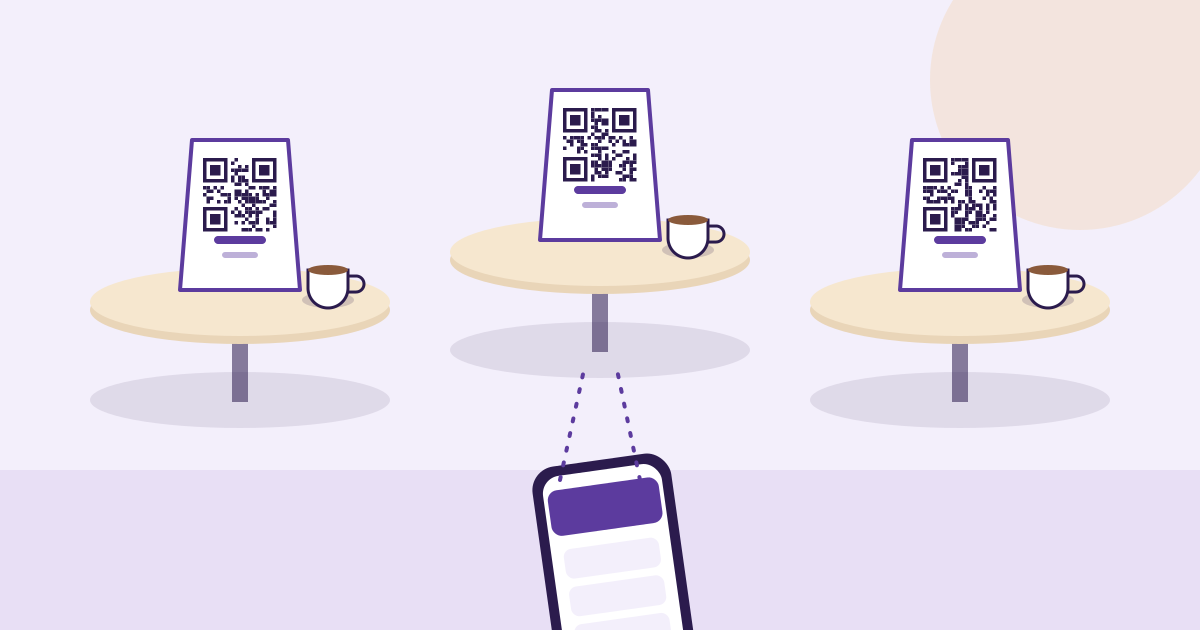
That matters more than it seems. A table card is seen dozens of times per service. A sticker on the door is seen by everyone who passes. A code on the bill, on a takeaway bag or on a window turns the place into something people can interact with, not just look at. The question is what happens after the scan, and that is where most digital menus stop too early.
More than a menu: a page that works while you sleep
Today a MIDA menu is not just a list of dishes. The same address can show opening hours, a map pin so people find the place, a WhatsApp button, the Instagram account and a button that sends happy customers to leave a Google review. We built these because they answer the questions people actually ask before they come: Are you open? Where exactly are you? Can I see the menu? Is it good?
Customers can also leave a private message, a suggestion or a complaint, which only the owner sees. A complaint told quietly at the table is a gift: it lets you fix a problem before it becomes a one-star review. Public reviews stay on Google, where they help the next customer find you, and private feedback stays private.
What a digital menu does not do yet
We want to be honest about this, because the market is full of big promises. A digital menu on its own is a very good start, but it is mostly a better printed menu. It informs the customer. It does not yet sell for you, it does not know who your customers are, and it does not make them come back.
Think about a café with a loyal morning crowd. Today the owner knows his regulars by face, which is wonderful, but he cannot tell them about the new menu, thank them for their tenth coffee or invite them back on a quiet Tuesday. The scan happens, the coffee is drunk, the customer leaves and the relationship ends. Every day, that is a small amount of lost value, repeated hundreds of times a year.
Where we want to take it: from menu to small sales system
Here is the direction we are working toward. These are not features you can switch on today, and we will not pretend otherwise. They are the steps we believe turn a QR menu into a tool that helps a business grow.
1. Know your customers, with their consent
The simplest way to bring customers back is to be able to reach them. The idea is an optional, friendly moment after the scan: a customer chooses to leave a first name and a phone number or e-mail in exchange for something useful, such as an offer or the loyalty card below. It must always be optional and clear, and it must respect Moroccan personal-data rules, which means telling people what the contact will be used for and letting them say no.
2. A digital loyalty card instead of a paper stamp card
Everyone has a drawer of paper stamp cards from places they love and a wallet full of ones they lost. A digital loyalty card lives on the phone: ten coffees, the eleventh is free, one scan at the counter adds a stamp. For the owner it replaces printing, hand-stamping and guessing, and it finally answers the question every café asks: who are my real regulars?
3. Offers and messages that bring people back
Once a business has contacts who agreed to hear from it, it can do the things large chains do, at a human scale: a message on WhatsApp for a new dish, a free dessert on a birthday, a quiet-hour offer on a slow afternoon, a thank-you after a big group visit. A short message to fifty people who like your place is worth more than any poster on the pavement.
4. Selling directly from the menu
Some businesses, such as bakeries, pastry shops, takeaway counters and caterers, can sell straight from the menu: a customer picks items, sends the order by WhatsApp or reserves a table, and the owner receives it clearly instead of through scattered voice notes. Not every Moroccan café needs online ordering, and we will not push it on those who do not, but for those who do it turns the menu into a counter that is open day and night.
5. Understanding what works
Finally, the data. Which dishes are opened most? Which promotions get attention? At what time do people scan? A menu that shows its owner what customers actually look at helps him decide what to feature, what to drop and when to run an offer, without needing a consultant.
| Stage | What the customer gets | What the owner gets | Status |
|---|---|---|---|
| Digital menu + QR | A clear, current menu on their phone | Edits in seconds, no reprinting | Available now |
| Page and reviews | Hours, map, WhatsApp, easy way to review | Found on Google, more visible | Available now |
| Private feedback | A quiet way to say what went wrong | Problems fixed before bad reviews | Available now |
| Contacts with consent | An offer in exchange for a contact | A list of people who like the place | Where we are heading |
| Loyalty card | A reward for coming back | Real regulars, repeat visits | Where we are heading |
| Offers and ordering | Reasons to return, easy ordering | Sales on slow hours, direct orders | Where we are heading |
Why we are doing this in Morocco, and the way we price it
Most tools in this space are built abroad, priced in dollars or euros, paid by international card and supported in English. For a family café in Marrakech or a snack in Ouarzazate, that is friction at every step. We would rather build something that speaks French and Arabic, accepts a normal bank transfer in dirhams and has someone you can message on WhatsApp when you are stuck.
That is also why the price is simple: the first month is free, then 500 MAD per year, with no commission on anything you sell. There is no payment platform in between; we arrange the payment together by bank transfer on WhatsApp. We prefer growing slowly with owners we know by name to building something nobody can reach.
MIDA is built and owned by Digixova, a small company that develops web products. We are not a faceless platform. If something breaks on a Saturday evening, a person answers.
What you can do today
- Create your account and use the free first month. You do not need a card.
- Add your menu: build it category by category with photos, or upload the PDF you already have.
- Choose a style, add your logo and colours, and check the live preview.
- Publish, then print the QR code the dashboard designs for you and put it on your tables, your counter and your window.
- Add your Google review link so happy customers can tell the world.
- Tell us what you wish it did. The next features come from the owners who use it, not from a meeting room.
Ready to wow your customers?
Start 30 days free: your mind-blowing menu and QR code in minutes.
Start free trialKeep reading
- How to create a digital menu for your restaurant or café in Morocco
- Menu design: 8 tips to sell more in a café or restaurant
- Where to place and how to print your menu QR code: a practical guide
- PDF menu or QR code digital menu: which should your restaurant choose?
- How much does a QR code digital menu cost in Morocco?
- How to get more Google reviews for your restaurant with a QR code
- Why a Digital Menu Matters for Your Restaurant or Café
- How a Web Page With Your Pin, Location and Prices Brings Customers
- How Does the QR Code on a Digital Menu Actually Work?
- Why We Create Digital Menus, and How They Help Your Business
- How a Digital Menu Helps You Welcome Tourists in Morocco
- Digital Menus and SEO: Get Found on Google in Morocco
- Morocco 2030: Get Your Café or Restaurant Menu Ready
- Digital Menu with QR Code: How to Create One in Morocco
- QR Code Menu or Paper Menu: Which Is Right for Your Café?